
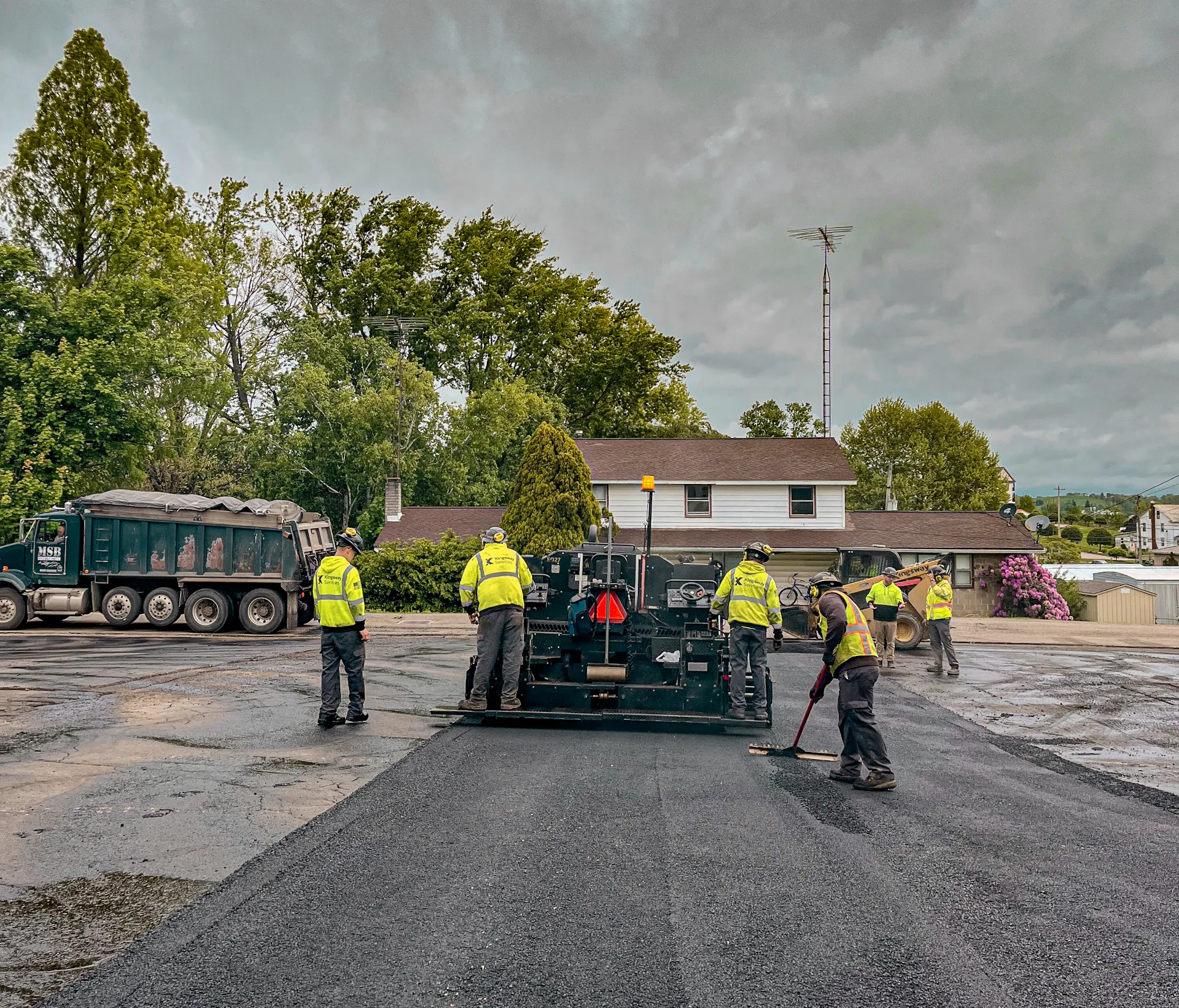
Parking Lot Repair Season: How to Prioritize Asphalt Maintenance in Summer
June 10, 2026
June 10, 2026
Summer is the busiest season for asphalt maintenance, and for good reason. Warm temperatures, longer daylight hours, and drier conditions create the ideal environment for repairing and preserving commercial asphalt surfaces. For business owners and property managers, there is still plenty of time to address parking lot issues before cooler temperatures arrive and small problems become much larger and more expensive.
After a long Ohio winter filled with snow, ice, salt, and freeze-thaw cycles, many commercial lots enter the second half of the paving season with visible damage. Cracks widen, potholes deepen, and drainage issues become harder to ignore. The key is knowing what to prioritize first and how to make smart maintenance decisions that protect both your property and your budget.
Asphalt performs best when installed and repaired in warm weather. Higher temperatures allow asphalt materials to compact properly and bond more effectively, creating stronger and longer-lasting repairs.
Warm weather continues to provide ideal conditions for:
Waiting until fall or winter often leads to accelerated deterioration and higher repair costs the following year.
Before scheduling repairs, it is important to evaluate the overall condition of the lot. Some damage is cosmetic, while other issues point to structural failure beneath the surface.
Key things to inspect include:
High-traffic areas usually deteriorate first. Entry lanes, loading zones, and parking stalls near entrances should receive special attention because they experience the most stress.
A thorough inspection helps determine whether your lot needs targeted parking lot repair or more extensive paving work. If larger issues are identified, professional commercial asphalt paving services can help determine the most cost-effective solution.
Not every issue requires immediate reconstruction, but safety concerns should always move to the top of the list.
Potholes, uneven pavement, and broken asphalt create hazards for both vehicles and pedestrians. They also increase liability exposure for commercial property owners.
The most urgent repairs often include:
Addressing these issues early improves customer safety and helps prevent complaints or claims.
Small cracks may not seem urgent, but they are one of the earliest signs of asphalt deterioration. Once water enters those cracks, Ohio's freeze-thaw cycles begin breaking down the pavement from below.
If you are seeing new cracking, it helps to understand why asphalt pavement cracks and why addressing those issues early can prevent much larger repairs.
Crack sealing and asphalt patching during the remaining warm-weather months help stop that progression before it spreads across the lot.
Preventive maintenance almost always costs less than major repairs later. Property owners who stay proactive typically extend the lifespan of their asphalt significantly longer than those who wait until visible failures become severe.
Not every damaged lot requires complete replacement. In many cases, asphalt patching provides an effective solution for isolated problem areas.
Patching works best when:
Professional patching restores strength while blending into the existing surface as cleanly as possible. It is a smart option for commercial properties trying to maximize pavement life without overspending.
Many recurring asphalt problems are actually drainage problems.
If water consistently pools in certain areas, simply patching the surface may not solve the issue. Poor grading allows moisture to penetrate beneath the asphalt, weakening the foundation over time.
During summer maintenance season, it is important to assess:
Correcting drainage issues alongside parking lot repair creates longer-lasting results and reduces repeat maintenance.
Even if your parking lot does not need immediate reconstruction, now is an excellent time to plan future improvements before fall arrives.
Commercial paving schedules often fill quickly during peak season. Early planning allows businesses to:
This is especially important for retail centers, medical offices, churches, schools, and industrial facilities where lot conditions directly impact daily operations.
If you are evaluating long-term improvements, our article on asphalt vs. alternatives for commercial parking lots explains why asphalt continues to provide the best value for most commercial properties.
Commercial asphalt surfaces require more than quick fixes. Traffic loads, drainage demands, and long-term durability all depend on proper installation and repair techniques.
A qualified commercial paving contractor should evaluate:
The goal is not just improving appearance temporarily. It is extending the life of the pavement while reducing future maintenance costs.
To learn more about the full range of solutions available, visit our asphalt paving services page.
The busiest part of paving season passes quickly. Waiting too long often means competing for scheduling availability or entering colder months with unresolved pavement issues.
Proactive asphalt maintenance helps:
For commercial property owners across Holmes, Wayne, Tuscarawas, Coshocton, and Stark counties, now is the ideal time to take action before minor issues turn into major problems.
Parking lots work hard every day. They support traffic, weather, deliveries, employees, and customers year-round. Summer maintenance is not just about appearances. It is about protecting infrastructure and avoiding unnecessary costs.
Your parking lot is often the first impression customers have of your business. Investing in timely repairs today can help you avoid larger expenses tomorrow while providing a safer, more professional property for everyone who visits.
If your property needs asphalt patching, pothole repair, or larger parking lot paving improvements, now is the time to schedule the work while conditions remain ideal for long-lasting results.